European Mission

With the European headquarter based in Sønderborg, Denmark.

Our actions are inspired by the Danish model - country that can be treated as a mentor in implementing Human Rights, looking back at the history.

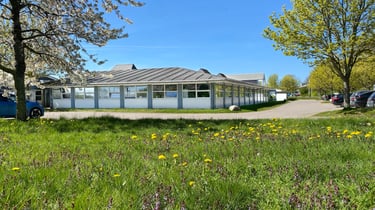
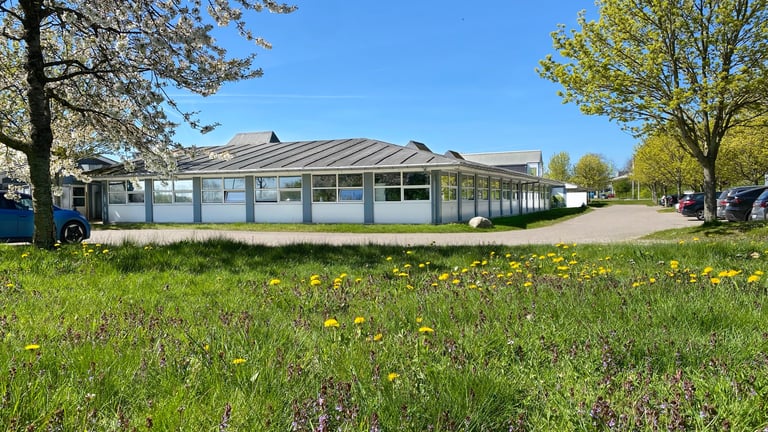
Headquarters

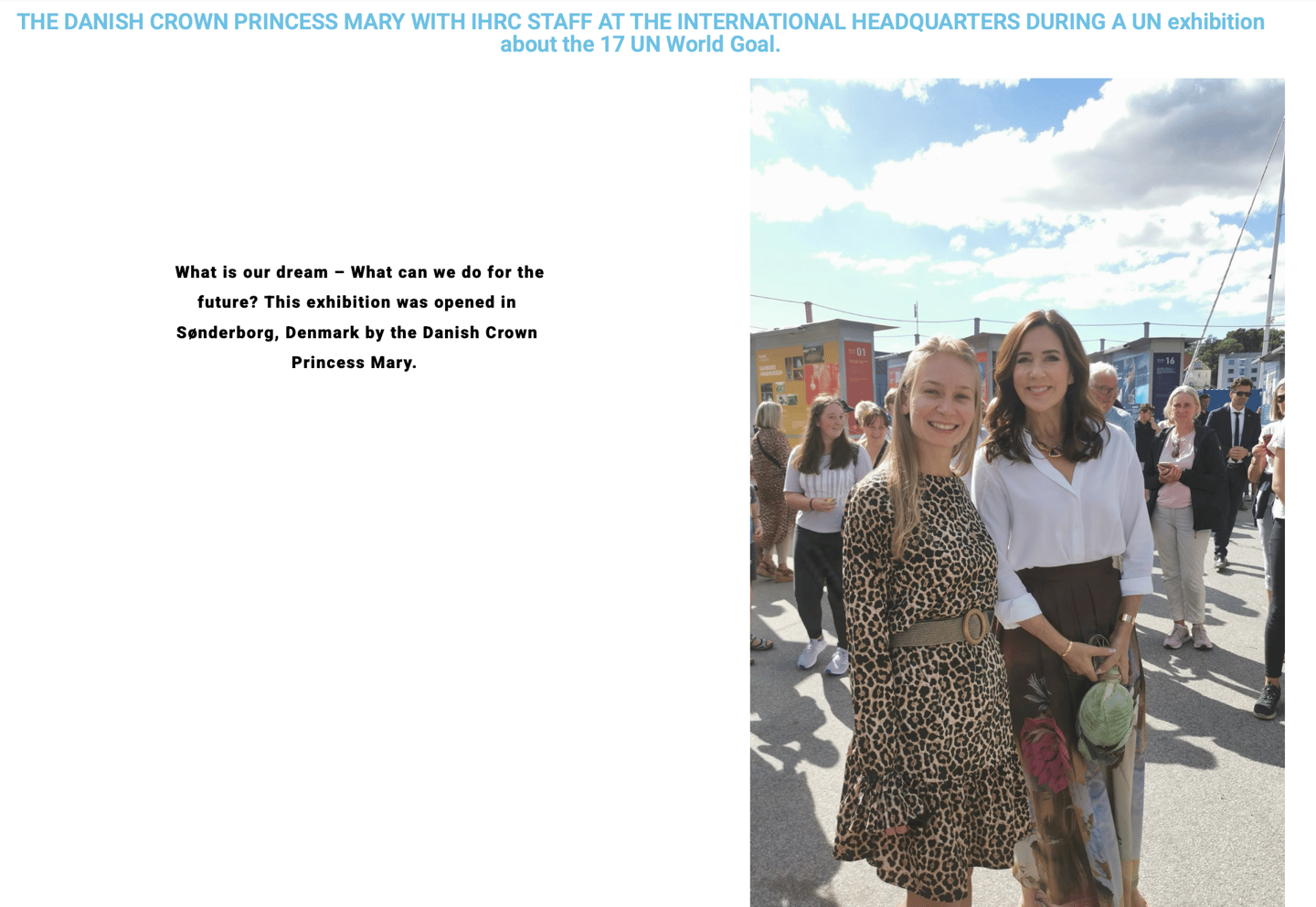
The Office for International Human Rights Nordic Union has also become the headquarters for the International Offices, as well as having received the honor to host the secretariat for International Human Rights - Africa.

Address

Ellegårdvej 36, 6400 Sønderborg
1849–1915: From Subjects to Citizens

The journey began in 1849 with the signing of Denmark’s first Constitution. In a single stroke, Denmark moved from absolute monarchy to a democracy, enshrining the rights to free speech, assembly, and religion.

However, the "Founding Fathers" left a gap: these rights initially excluded women and the poor. The next 66 years were defined by a relentless push for inclusion. Led by the Danish Women’s Society (founded in 1871), the movement argued that a democracy excluding half its population was no democracy at all. This reached its crescendo in 1915, when the Constitution was amended to grant women the right to vote - a moment celebrated by thousands of women marching to the Royal Palace to claim their place as equal architects of the nation.

1945–1980: The Social Contract & Global Responsibility

Following the trials of WWII, Denmark’s vision of human rights expanded from legal protections to social guarantees. The "Danish Model" was born out of the idea that dignity requires security. This era saw:

The Welfare State: The belief that healthcare, education, and support for the elderly are fundamental human rights.

Denmark became a European vanguard, legalizing abortion in 1973 and becoming the first country in the world to recognize registered partnerships for same-sex couples in 1989.

Today: The European Leader in the Global Fight

Today, Denmark doesn't just protect rights within its borders; it exports them. Denmark has earned its reputation as a "Human Rights Superpower" through three key actions:

The Torture Watchdog: In 1982, Denmark established the world’s first rehabilitation center for torture victims. Today, the Danish-led Convention Against Torture Initiative (CTI) works to eliminate torture globally.

The Copenhagen Criteria: In 1993, Denmark hosted the summit that defined the "Copenhagen Criteria" - the mandatory human rights and democracy standards that every country must meet to join the European Union.

Global Advocacy: Denmark is a leading voice at the UN for the rights of Indigenous Peoples and remains one of the few nations to meet the UN target for development aid, focusing specifically on sexual and reproductive health and rights (SRHR) for women and girls worldwide.

UNICEF: Denmark is often seen as one of the most committed and reliable supporters of UNICEF, consistently contributing high levels of funding and strong political backing for global child welfare initiatives. Through its highly active national committee, UNICEF Danmark, Denmark plays an outsized role in mobilizing public support and awareness, making it one of UNICEF’s most effective and trusted partner countries in Europe.

From the first ink on the Constitution in 1849 to the modern halls of the UN in Geneva, the Danish philosophy remains the same: Human rights are not a gift from the state, but the foundation of the state. Whether it is fighting for a woman’s seat at the table or a torture survivor's right to heal, Denmark continues to lead by the conviction that no one is truly free until we are all equal.

people riding on boat on river during daytime

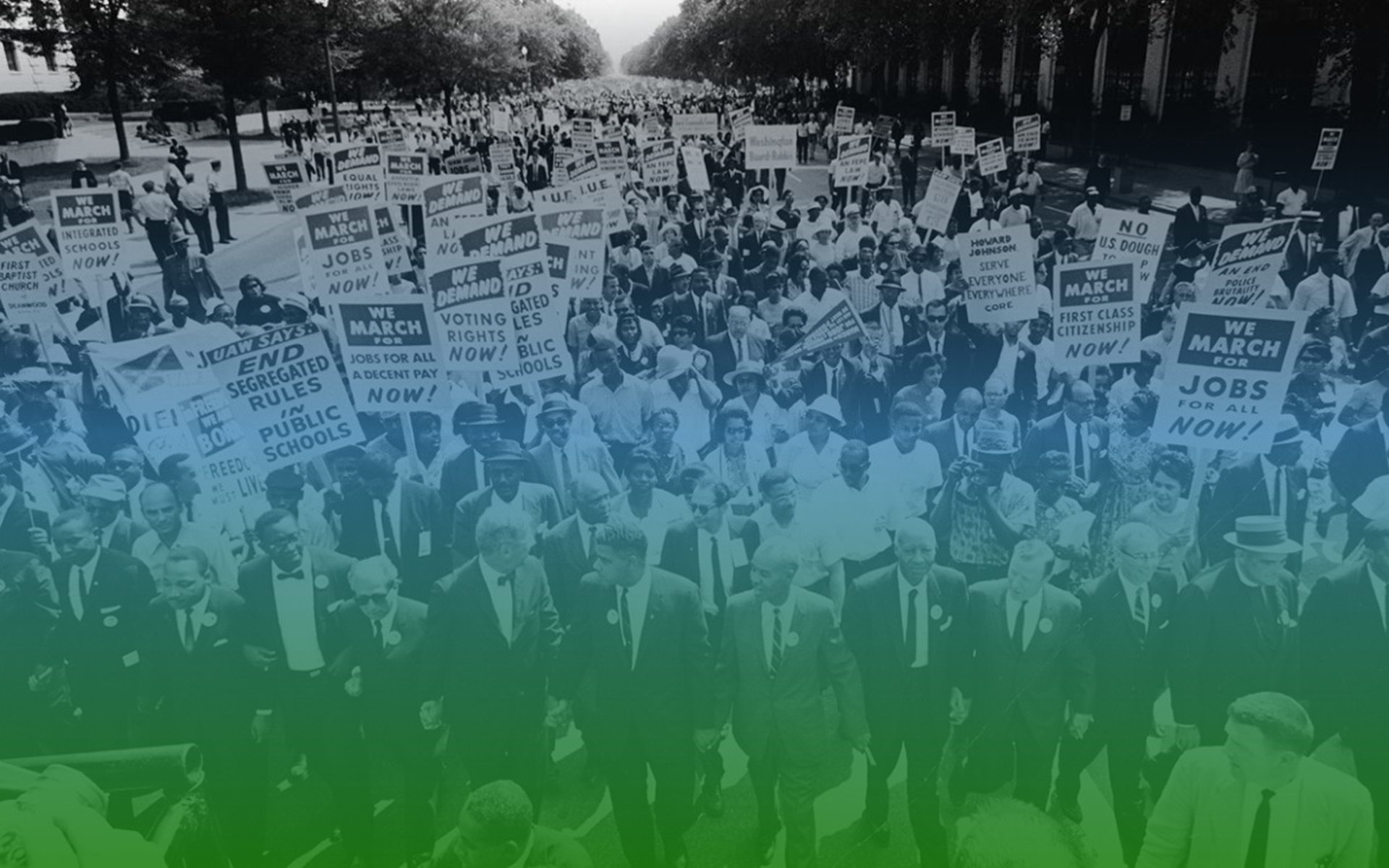
Danish history of Human Rights

Get in Touch

Questions or comments? Reach out anytime—we’re here to help.

Phone

+45 93 96 50 39

Email

mnb@ihrc-global.org

CVR: DK 42738301